Buy dekan.eu ?
We are moving the project
dekan.eu .
Are you interested in purchasing the domain
dekan.eu ?
domain@kv-gmbh.de · 0541-91531010
Buy dekan.eu ?
What is the difference between academic language and technical language?
Academic language refers to the formal language used in educational settings, such as in textbooks, lectures, and scholarly articles. It is characterized by its complexity, precision, and formality, and is used to convey complex ideas and concepts. On the other hand, technical language is specific to a particular field or profession and is used to communicate specialized knowledge and information. It is often characterized by its jargon, terminology, and specificity, and is used to convey technical details and procedures within a specific discipline. While academic language is more general and can be applied across different disciplines, technical language is more specialized and specific to a particular field. **
How can one learn academic language?
One can learn academic language by immersing themselves in academic materials such as textbooks, research articles, and scholarly journals. It is also helpful to practice writing and speaking in an academic style, using formal language and proper grammar. Additionally, seeking feedback from teachers, professors, or peers can help improve academic language skills. Finally, actively expanding one's vocabulary and understanding of complex concepts will also contribute to mastering academic language. **

Similar search terms for Language
Top-Angebote
Products related to Language:
-
"""The Language of Yes""" """The Language of Yes Les Fruits Rouges Rose 2024 Rosé Wine - California""""""A medium salmon-colored rosé in which both Grenache and Cinsaut show their varietal typicity and inspire the moniker, \""Les Fruits Rouges.\"" A structured, pink-orange wine with vivid acidity and some tannin for a firm mouthfeel. Unique, earthy,..."22,97 $*Shipping: 0,00 $Secure redirect to the provider
-
"""The Language of Yes""" """The Language of Yes Les Fruits Rouges Rose 2025 Rosé Wine - California""""""A medium salmon-colored rosé in which both Grenache and Cinsaut show their varietal typicity and inspire the moniker, \""Les Fruits Rouges.\"""23,97 $*Shipping: 0,00 $Secure redirect to the provider
-
Uplift Essentials Yaya Language Cartoon Colored Pencil Wall Sticker Yaya Language Cartoon Colored Pencil Wall StickerBring vibrant colors, playful creativity, and educational inspiration to your child's bedroom or learning space with this colorful wall decal. Featuring a friendly array of smiling cartoon colored pencils labeled with fun words, this kindergarten...39,97 $*Shipping: 0,00 $Secure redirect to the provider
-
THE DICTIONARY OF BODY LANGUAGE by NavarroDescription. From former FBI agent and bestselling author Joe Navarro, a field guide companion to his classic What Every BODY is Saying, revealing the more than 400 essential body language indicators.. A decade after his huge international bestseller What Every BODY is Saying, which has sold more than half a million copies in the U.S. and been published in dozens of foreign territories, retired FBI agent Joe Navarro offers its follow-up. The Dictionary of Body Language is a companion “field guide” to What Every BODY is Saying, expanding the original work with hundreds of additional behaviours, and presenting them all in an easy-to-reference format.. Moving from the head down to the feet, Navarro explains the hidden meanings behind the many conscious and subconscious things we do with our bodies. We learn how to tell a person’s true feelings from movement and dilation in their pupils; what to watch for in the lips of a person who may be afraid, or lying; the many different varieties of arm-crossing, and what each one means; how the position of our thumbs when we stand akimbo reflects our mental state; and many other fascinating insights. The applications for readers are numerous, from the business environment to romantic relationships.. After reading The Dictionary of Body Language, you’ll have a new ability to read other people’s true intentions, and to adjust your own body presentation so that you can convey the right messages.. Title. THE DICTIONARY OF BODY LANGUAGE by Navarro. Delivery. Content. Reviews8,30 £*Shipping: 2,99 £Secure redirect to the provider



-
What is German language teaching education?
German language teaching education is the process of preparing individuals to teach the German language to non-native speakers. This education typically includes coursework in German language and literature, as well as pedagogical training in language teaching methods and strategies. It also involves developing cultural competency and understanding of the German-speaking world. Graduates of German language teaching education programs are equipped to teach German at various levels, from elementary to advanced, in a variety of educational settings such as schools, language institutes, and universities. **
-
Which language should I learn at university?
The language you should learn at university depends on your personal interests, career goals, and the opportunities available to you. Consider studying a language that is widely spoken in the industry you are interested in or that aligns with your future career plans. Additionally, think about the cultural and personal connections you have with a particular language, as this can make the learning process more enjoyable and meaningful. Ultimately, choose a language that you are passionate about and that will benefit you in achieving your academic and professional aspirations. **
-
How does a four-language education work?
A four-language education typically involves learning and using four different languages throughout the educational process. This can be achieved through a variety of methods, such as immersion programs, bilingual education, or language classes. Students may have the opportunity to study and communicate in four different languages, which can provide them with a well-rounded linguistic and cultural education. This type of education can be beneficial for developing multilingual proficiency and understanding of different cultures. It can also open up opportunities for international communication and career prospects. **
-
Which language should I best learn at university?
The best language for you to learn at university depends on your personal interests, career goals, and the region you are interested in working or living in. If you are interested in international business, Mandarin Chinese or Spanish could be beneficial. If you are interested in diplomacy or international relations, learning Arabic, Russian, or French could be advantageous. Consider your future goals and choose a language that aligns with them. **


Which language can one learn at the university?
At the university, one can learn a variety of languages such as Spanish, French, German, Chinese, Japanese, Arabic, and many more. The language offerings may vary depending on the university and its language department. Students can choose to study a language as part of their degree program or as an elective course. Learning a new language at the university can provide valuable skills for personal, academic, and professional development. **
Which language is meant: B-language or Bi-language?
The term "B-language" typically refers to a second language that a person learns, while "Bi-language" is not a commonly used term in language learning. Therefore, it is more likely that the question is referring to "B-language." This term is often used in the context of bilingualism and second language acquisition, where individuals develop proficiency in a language other than their native or first language. **
Top-Angebote
Products related to Language:
-
"""The Language of Yes""" """The Language of Yes Syrah 2022 Red Wine - California""""""Blend: 82% Syrah, 18% Viognier This bottling by the original Rhône Ranger Randall Grahm, who employs a hefty 18% Viognier in this blend, begins with lovely black raspberry, white peppercorn and struck stone aromas on the nose. The palate is tight..."34,99 $*Shipping: 0,00 $Secure redirect to the provider
-
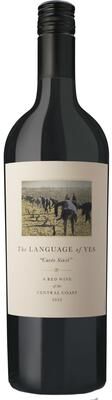
"""The Language of Yes""" """The Language of Yes Cuvee Sinso 2022 Red Wine - California""""""A French-inspired, Cinsaut-based red blend. Cinsaut and Syrah co-fermented for two weeks to extract color and texture. A small amount of Grenache from Rancho Réal was blended for fragrance. Aged in neutral barrels and stainless. Exuberantly..."26,97 $*Shipping: 0,00 $Secure redirect to the provider
-
"""The Language of Yes""" """The Language of Yes Les Fruits Rouges Rose 2024 Rosé Wine - California""""""A medium salmon-colored rosé in which both Grenache and Cinsaut show their varietal typicity and inspire the moniker, \""Les Fruits Rouges.\"" A structured, pink-orange wine with vivid acidity and some tannin for a firm mouthfeel. Unique, earthy,..."22,97 $*Shipping: 0,00 $Secure redirect to the provider
-
"""The Language of Yes""" """The Language of Yes Les Fruits Rouges Rose 2025 Rosé Wine - California""""""A medium salmon-colored rosé in which both Grenache and Cinsaut show their varietal typicity and inspire the moniker, \""Les Fruits Rouges.\"""23,97 $*Shipping: 0,00 $Secure redirect to the provider
-
What is the difference between academic language and technical language?
Academic language refers to the formal language used in educational settings, such as in textbooks, lectures, and scholarly articles. It is characterized by its complexity, precision, and formality, and is used to convey complex ideas and concepts. On the other hand, technical language is specific to a particular field or profession and is used to communicate specialized knowledge and information. It is often characterized by its jargon, terminology, and specificity, and is used to convey technical details and procedures within a specific discipline. While academic language is more general and can be applied across different disciplines, technical language is more specialized and specific to a particular field. **
-
How can one learn academic language?
One can learn academic language by immersing themselves in academic materials such as textbooks, research articles, and scholarly journals. It is also helpful to practice writing and speaking in an academic style, using formal language and proper grammar. Additionally, seeking feedback from teachers, professors, or peers can help improve academic language skills. Finally, actively expanding one's vocabulary and understanding of complex concepts will also contribute to mastering academic language. **
-
What is German language teaching education?
German language teaching education is the process of preparing individuals to teach the German language to non-native speakers. This education typically includes coursework in German language and literature, as well as pedagogical training in language teaching methods and strategies. It also involves developing cultural competency and understanding of the German-speaking world. Graduates of German language teaching education programs are equipped to teach German at various levels, from elementary to advanced, in a variety of educational settings such as schools, language institutes, and universities. **
-
Which language should I learn at university?
The language you should learn at university depends on your personal interests, career goals, and the opportunities available to you. Consider studying a language that is widely spoken in the industry you are interested in or that aligns with your future career plans. Additionally, think about the cultural and personal connections you have with a particular language, as this can make the learning process more enjoyable and meaningful. Ultimately, choose a language that you are passionate about and that will benefit you in achieving your academic and professional aspirations. **
Similar search terms for Language
-
Uplift Essentials Yaya Language Cartoon Colored Pencil Wall Sticker Yaya Language Cartoon Colored Pencil Wall StickerBring vibrant colors, playful creativity, and educational inspiration to your child's bedroom or learning space with this colorful wall decal. Featuring a friendly array of smiling cartoon colored pencils labeled with fun words, this kindergarten...39,97 $*Shipping: 0,00 $Secure redirect to the provider
-
THE DICTIONARY OF BODY LANGUAGE by NavarroDescription. From former FBI agent and bestselling author Joe Navarro, a field guide companion to his classic What Every BODY is Saying, revealing the more than 400 essential body language indicators.. A decade after his huge international bestseller What Every BODY is Saying, which has sold more than half a million copies in the U.S. and been published in dozens of foreign territories, retired FBI agent Joe Navarro offers its follow-up. The Dictionary of Body Language is a companion “field guide” to What Every BODY is Saying, expanding the original work with hundreds of additional behaviours, and presenting them all in an easy-to-reference format.. Moving from the head down to the feet, Navarro explains the hidden meanings behind the many conscious and subconscious things we do with our bodies. We learn how to tell a person’s true feelings from movement and dilation in their pupils; what to watch for in the lips of a person who may be afraid, or lying; the many different varieties of arm-crossing, and what each one means; how the position of our thumbs when we stand akimbo reflects our mental state; and many other fascinating insights. The applications for readers are numerous, from the business environment to romantic relationships.. After reading The Dictionary of Body Language, you’ll have a new ability to read other people’s true intentions, and to adjust your own body presentation so that you can convey the right messages.. Title. THE DICTIONARY OF BODY LANGUAGE by Navarro. Delivery. Content. Reviews8,30 £*Shipping: 2,99 £Secure redirect to the provider
-
Monika Blunder Beauty Body Language Botanical Oil 100mLA body oil for dull skin. Intense hydration: Almond, Rosehip, and Marula Oils quench dryness. Natural luminosity: Meadowfoam oil gives skin a dewy sheen. Antioxidant protection: Edelweiss Extract defends against free radicals. Soft, supple skin: Arnica maintains skin's softness and suppleness. Transform your skin with Body Language Oil —a luxurious blend of nourishing oils and potent antioxidants.32,78 £*Shipping: 6,86 £Secure redirect to the provider
-
How does a four-language education work?
A four-language education typically involves learning and using four different languages throughout the educational process. This can be achieved through a variety of methods, such as immersion programs, bilingual education, or language classes. Students may have the opportunity to study and communicate in four different languages, which can provide them with a well-rounded linguistic and cultural education. This type of education can be beneficial for developing multilingual proficiency and understanding of different cultures. It can also open up opportunities for international communication and career prospects. **
-
Which language should I best learn at university?
The best language for you to learn at university depends on your personal interests, career goals, and the region you are interested in working or living in. If you are interested in international business, Mandarin Chinese or Spanish could be beneficial. If you are interested in diplomacy or international relations, learning Arabic, Russian, or French could be advantageous. Consider your future goals and choose a language that aligns with them. **
-
Which language can one learn at the university?
At the university, one can learn a variety of languages such as Spanish, French, German, Chinese, Japanese, Arabic, and many more. The language offerings may vary depending on the university and its language department. Students can choose to study a language as part of their degree program or as an elective course. Learning a new language at the university can provide valuable skills for personal, academic, and professional development. **
-
Which language is meant: B-language or Bi-language?
The term "B-language" typically refers to a second language that a person learns, while "Bi-language" is not a commonly used term in language learning. Therefore, it is more likely that the question is referring to "B-language." This term is often used in the context of bilingualism and second language acquisition, where individuals develop proficiency in a language other than their native or first language. **
* All prices are inclusive of VAT and, if applicable, plus shipping costs. The offer information is based on the details provided by the respective shop and is updated through automated processes. Real-time updates do not occur, so deviations can occur in individual cases. ** Note: Parts of this content were created by AI.